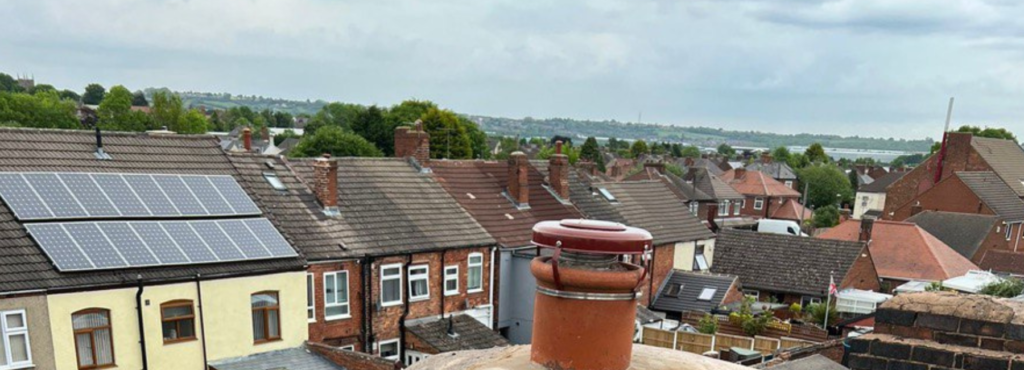
Roof tiles are designed to remain securely positioned while allowing rainwater to drain away effectively. If a tile has slipped, lifted or shifted out of alignment, it usually indicates that part of the roofing system is no longer performing as intended.
For property owners in Tuxford, Nottinghamshire, moving roof tiles should be investigated before gaps allow moisture to reach the underlay, battens or roof space. Understanding the likely causes can help explain why a professional assessment is important.
Common Reasons Roof Tiles Become Loose or Displaced
Strong Winds and Changing Air Pressure
Strong winds do not always blow tiles completely from a roof. Air can enter beneath a slightly loose tile and create uplift, weakening its fixing or moving it out of position.
Roof edges, ridges and exposed slopes are often particularly vulnerable because they experience greater wind pressure. Once one tile moves, neighbouring tiles may also become less secure.
Ageing or Corroded Fixings
Roof tiles may be secured with nails, clips or a combination of fixing methods. Over time, metal components can corrode, loosen or lose their grip.
The tile itself may still appear sound while its hidden fixing has deteriorated. If several tiles begin slipping across the same roof slope, the condition of the fixings and battens should be examined rather than repeatedly replacing individual tiles.
Damaged Timber Battens
Battens provide the supporting framework to which many roof tiles are attached. Persistent moisture, age or deterioration can weaken the timber and prevent fixings from holding securely.
A damaged batten may affect several tiles along the same section of roof. Repairing only the most visibly displaced tile may therefore leave the underlying cause unresolved.
Cracked or Worn Tile Nibs
Many tiles have nibs on their underside that help them rest against the battens. These can crack, wear or break, allowing the tile to slide even if the surrounding roof appears undamaged.
Small fractures may be difficult to see from ground level. A close professional inspection can determine whether the tile has failed or whether the problem lies with its fixing or support.
Movement Within the Roof Structure
Roof structures naturally experience small amounts of movement as materials respond to temperature changes and moisture. More significant movement can disturb the alignment of tiles and place pressure on fixings.
Visible symptoms may include uneven tile courses, recurring displacement in one area or gaps that gradually become larger. These signs require investigation because simply repositioning the tiles may not provide a lasting repair.
Poorly Fitted Replacement Tiles
Previous repairs can cause further problems when replacement tiles are the wrong profile, size or thickness. A tile that does not sit correctly with the surrounding covering may rock, lift or leave an exposed gap.
Fixing methods must also suit the tile type and its position on the roof. Correct installation helps ensure that repaired sections integrate properly with the existing covering.
Moss and Debris Beneath the Tiles
Moss can grow between overlapping tiles and gradually lift their edges. Leaves, twigs and other debris may also become trapped beneath sections of the covering, preventing tiles from sitting flat.
Removing surface growth alone may not reveal whether tiles or fixings have already been affected. The surrounding section should be checked for damage and restored to the correct alignment.
Why Moving Tiles Should Not Be Ignored
A displaced tile can create a direct route for wind-driven rain. Although the underlay may provide temporary protection, it is not intended to act as the main weatherproof surface.
Warning signs associated with moving tiles can include:
- visible gaps or uneven rows
- fragments of tile around the property
- rattling noises during windy weather
- daylight visible from the roof space
- damp marks on rafters, ceilings or walls
- recurring movement in the same section
Prompt attention can prevent an isolated defect from affecting the surrounding roof components.
How a Professional Roofer Identifies the Cause
A proper assessment should look beyond the displaced tile. The roofer may examine the tile condition, fixing points, battens, underlay and neighbouring materials to establish why movement occurred.
This helps determine whether the roof needs a straightforward tile replacement, localised batten work or attention to a wider section. Addressing the actual cause gives the repair a better chance of remaining secure during future weather.
Conclusion
Roof tiles can move because of wind uplift, ageing fixings, damaged battens, broken nibs, structural movement, unsuitable replacement materials or trapped moss and debris. Even when no internal leak is visible, a loose tile can leave the roof increasingly vulnerable to water ingress.
If you have noticed slipped, lifted or uneven roof tiles in Tuxford, Nottinghamshire, contact Tuxford Roofing Repairs to arrange a professional inspection. We can identify the source of the movement and recommend a suitable repair without suggesting more work than the roof requires.
Call us on: 01777 808 799
Click here to find out more about Tuxford Roofing Repairs
Click here to complete our contact form and see how we can help with your roofing needs.