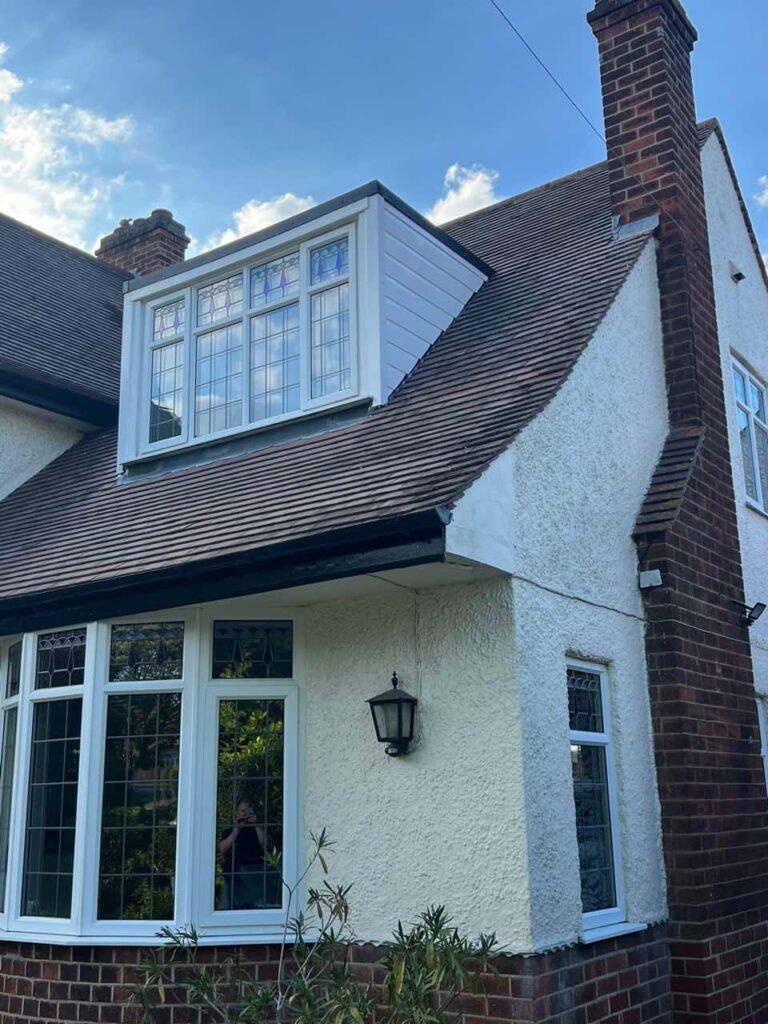
Roofing defects do not usually remain unchanged while they are ignored. Rain, wind and temperature changes can gradually enlarge small openings, loosen surrounding materials and allow moisture to reach concealed parts of the roof.
For property owners in Tuxford, Nottinghamshire, arranging timely roof repairs can help keep damage localised and protect the building beneath. The following six problems should be assessed promptly rather than postponed until another season.
Roofing Defects That Require Prompt Professional Attention
The urgency of a roofing problem depends on its location, severity and effect on the wider system. However, any defect that permits water ingress, destabilises roofing materials or compromises structural support should not be left unresolved.
1. An Active or Intermittent Roof Leak
Water entering during rainfall is one of the clearest signs that a roof requires attention. Even if the leak only appears occasionally, moisture may still be affecting underlay, insulation and roof timbers.
Leaks can be intermittent because they depend on:
- The direction of the wind
- The intensity or duration of rainfall
- Water levels within a valley or gutter
- Movement around a damaged junction
- The saturation of surrounding materials
The damp patch visible indoors may not sit directly beneath the external defect. Water can travel along underlay, rafters or other concealed surfaces before entering a room. Professional leak detection is therefore more reliable than repairing the area immediately above the stain without further investigation.
2. Missing, Cracked or Slipped Tiles
A damaged roof tile can expose the underlay and supporting components beneath it. Although this secondary layer may prevent immediate water ingress, it is not intended to remain directly exposed to prolonged weather.
A slipped tile can also affect neighbouring coverings. Once the correct overlap has been lost, wind may reach beneath adjacent tiles and place additional strain on their fixings.
Prompt repair should include an inspection of the surrounding area. Replacing the visible tile alone may be insufficient if weakened battens, failed fixings or movement elsewhere caused the problem.
3. Loose Ridge Tiles or Failing Mortar
Ridge tiles protect the highest and often most exposed part of a pitched roof. Cracked mortar, displaced tiles or failed fixings can allow water into the ridge line and reduce the stability of adjoining materials.
Warning signs may include:
- Pieces of mortar on the ground
- Visible gaps beneath ridge tiles
- A ridge tile sitting out of alignment
- Movement following strong winds
- Dampness appearing near the roof’s highest point
A loose ridge tile may become increasingly unstable during further bad weather. The complete affected section should be assessed so that any repair addresses both the tile and the material securing it.
4. Damaged Lead Flashing
Lead flashing weatherproofs vulnerable junctions around chimneys, adjoining walls and other roof features. Splits, lifting edges and deteriorated joints can create a direct route for rainwater.
Flashing defects often cause persistent or difficult-to-trace leaks because water may enter at one point and appear elsewhere inside the property. Leaving the problem unresolved allows repeated moisture exposure around masonry, underlay and roof timbers.
Professional repair should consider the condition of the leadwork and the materials into which it is fitted. Applying a surface seal without correcting the underlying defect may provide only temporary improvement.
5. Flat Roof Cracks, Blisters or Open Seams
Flat roofing materials can deteriorate through age, weather exposure, trapped moisture or movement within the roof deck. Cracks, blisters and separated seams should be examined before they develop into more extensive openings.
Standing water may also indicate blocked outlets, unsuitable falls or localised settlement. If moisture enters beneath the surface covering, it can affect insulation and the supporting deck before signs become visible indoors.
A professional inspection can determine whether the defect remains suitable for localised repair or whether deterioration extends across a larger area.
6. A Sagging or Distorted Roofline
A visible dip, uneven ridge or change in the shape of the roof requires prompt assessment. Possible causes include weakened timbers, prolonged water exposure, movement within the supporting structure or deterioration of battens.
Surface repairs will not resolve an underlying loss of support. Replacing tiles over a distorted area could conceal the symptom without addressing the cause.
Other warning signs may include cracking sounds, uneven internal ceilings, recurring tile movement or difficulty keeping roof coverings aligned. These symptoms should not be postponed until another season because continued movement may affect a wider section of the roof.
Why Delaying Repairs Can Increase the Affected Area
A localised defect may initially involve only one tile, a small flashing joint or a short section of membrane. Continued exposure can allow water to spread into battens, timbers, insulation and internal finishes.
Delays may also make diagnosis more difficult. Once moisture has travelled through several materials, the visible signs can appear far from the original entry point.
Early professional attention helps establish the cause while the evidence is clearer and the affected area may still be limited.
What to Do When You Notice a Roofing Problem
Observe the roof from ground level and record when the problem occurs. Photographs of internal staining or visible external changes can help show whether the issue is developing.
Do not climb onto a wet, damaged or unstable roof. Instead, arrange a professional inspection covering the reported defect, surrounding roof materials and accessible internal areas.
Conclusion
Active leaks, damaged tiles, loose ridge details, failed flashing, flat-roof defects and roofline distortion should never be left until the following season. Each problem can expose concealed roofing materials to further damage or allow a localised weakness to spread.
Tuxford Roofing Repairs provides professional roof inspections and repairs in Tuxford, Nottinghamshire. If you have noticed one of these warning signs, contact the team to arrange an assessment and identify the most suitable repair.